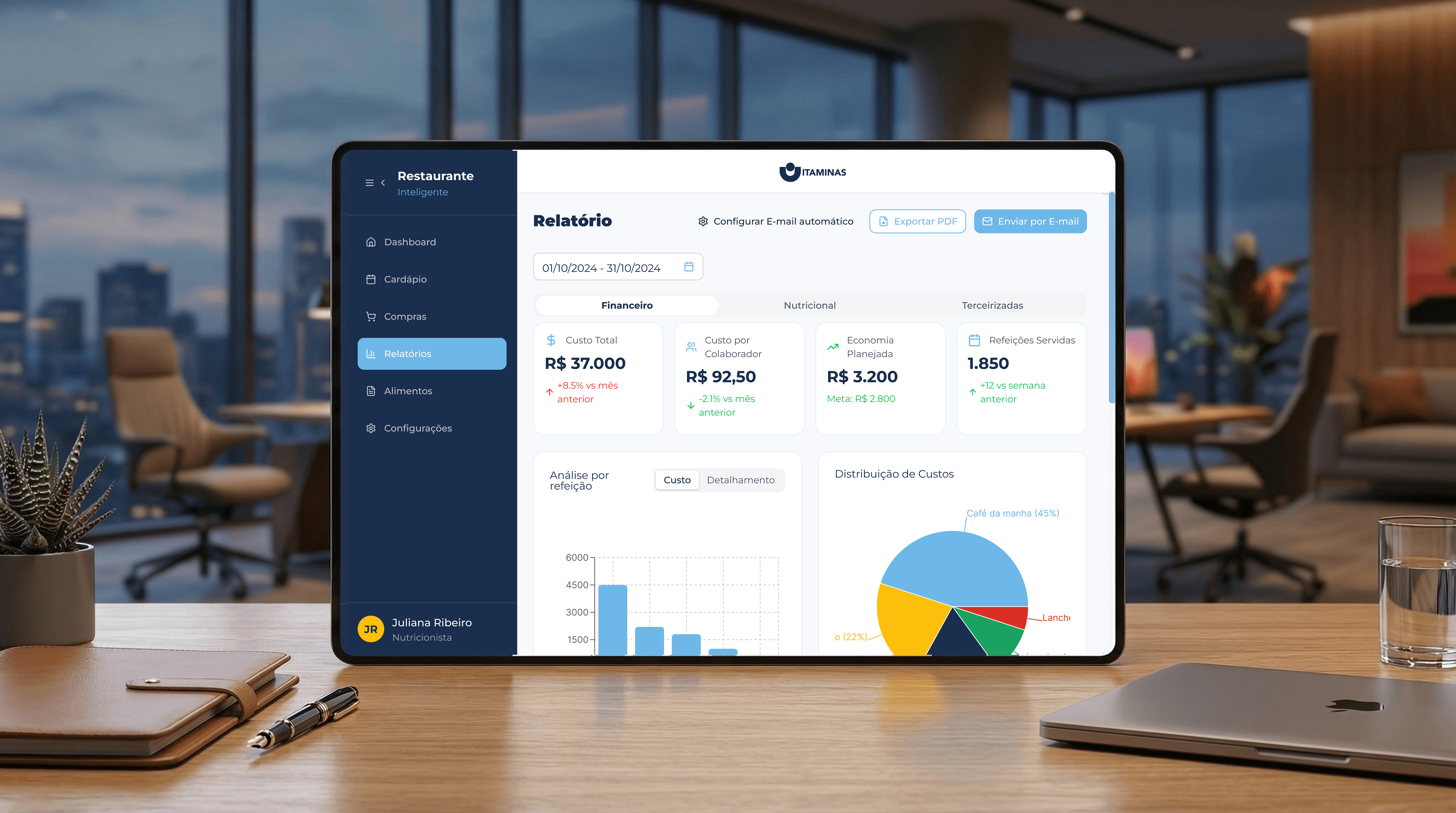
Itaminas Smart Restaurant Platform
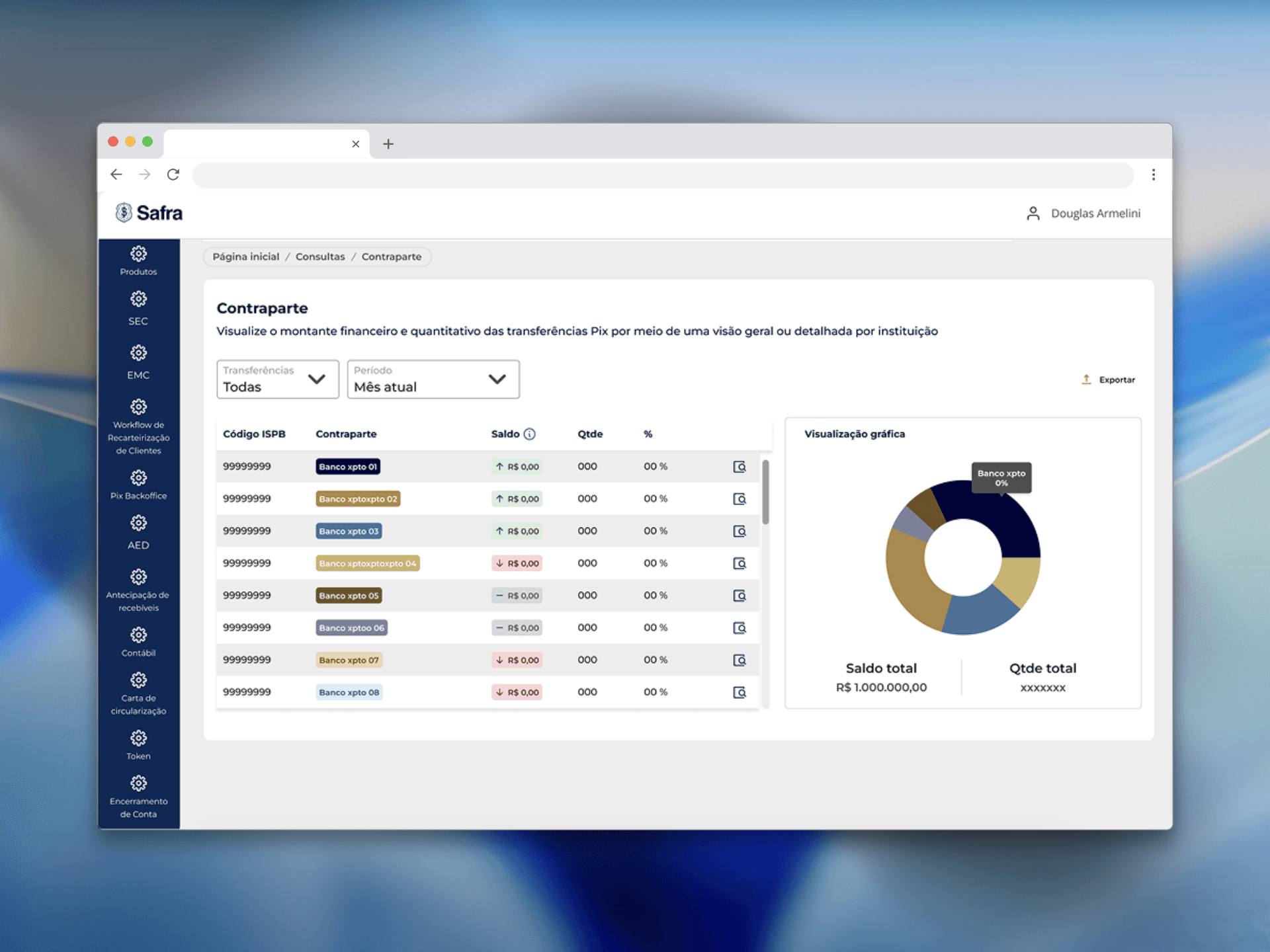
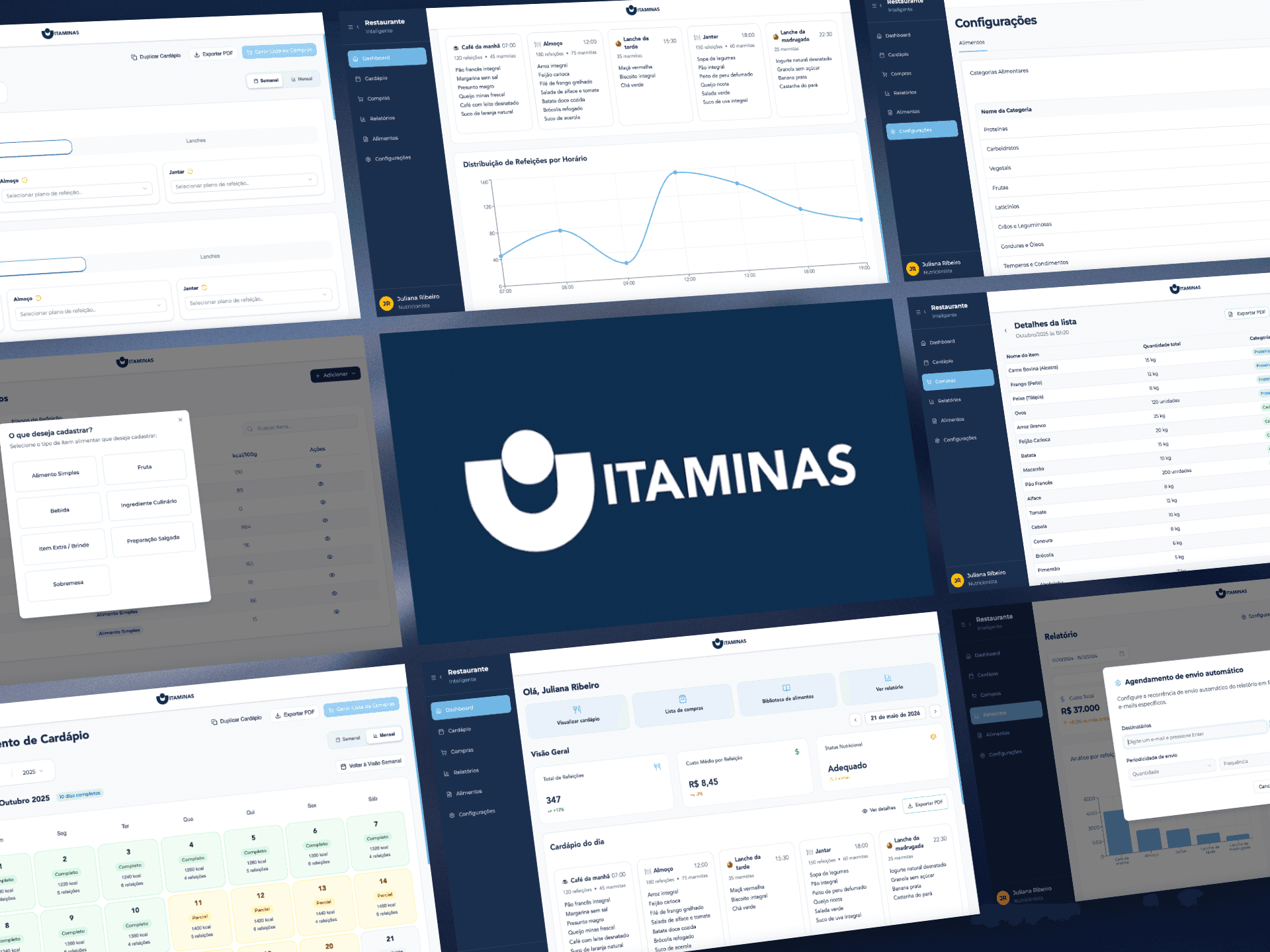
Itaminas runs an internal restaurant serving over 500 meals a day. Attendance was tracked in a notebook and contractors were billed on unreliable manual counts. I led the end-to-end design of a real-time meal registration system and a web platform for nutritional and financial visibility.
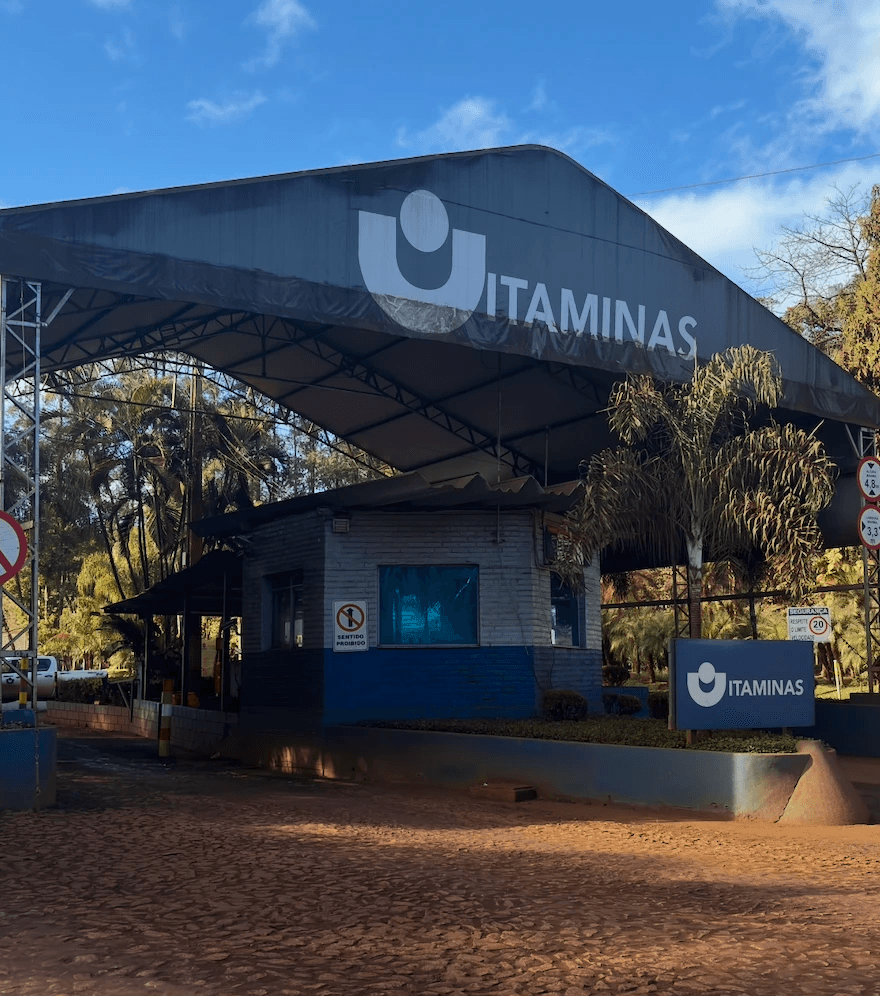
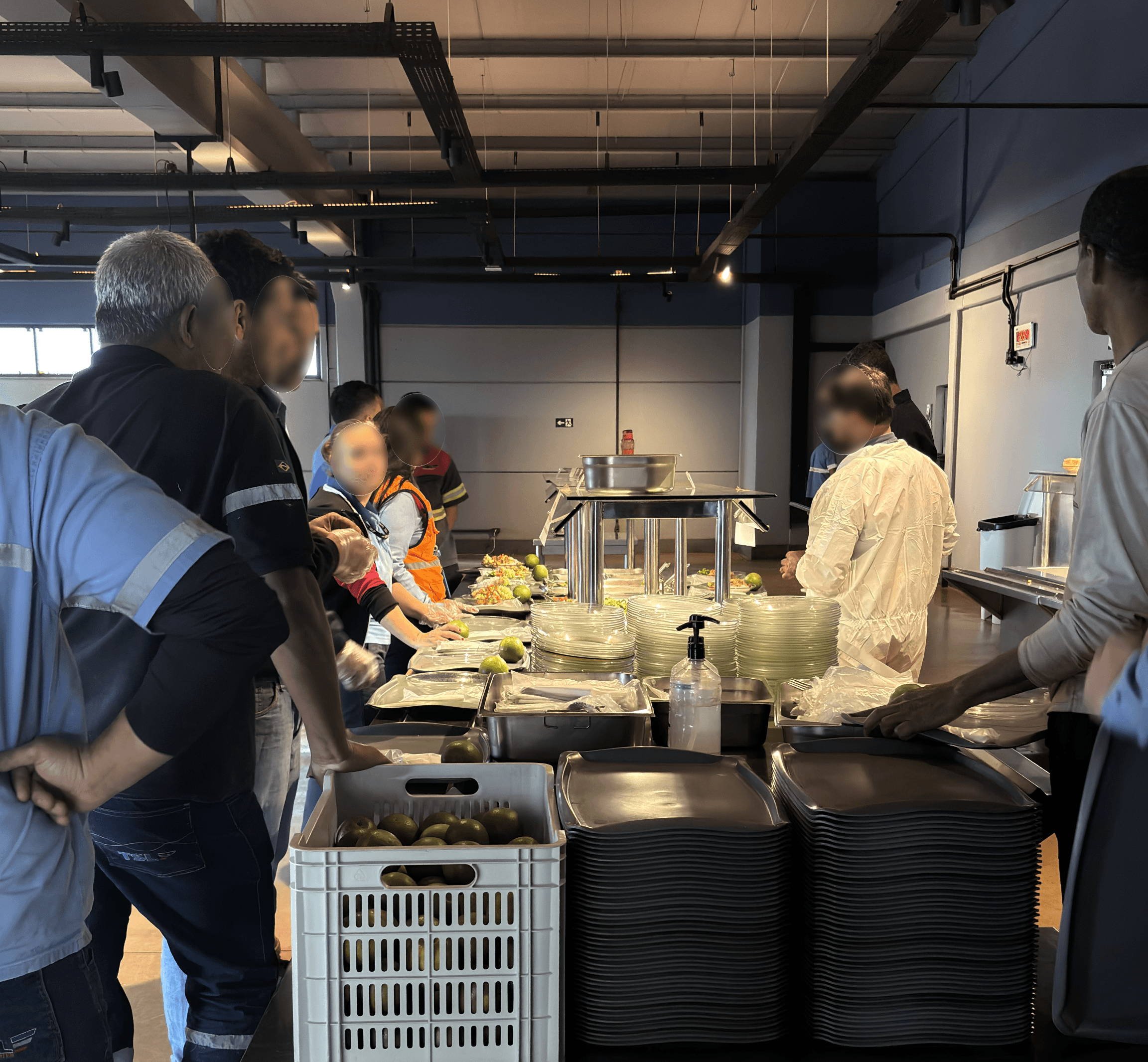
Itaminas is a Brazilian mining company that runs an internal restaurant serving over 500 meals daily across breakfast, lunch, dinner, and two snack shifts. The operation serves full-time employees and a significant number of on-site contractors, and for many workers it represents the most complete meal of their day.
Replacing a notebook with operational visibility that changed a leadership decision.
The main goal was to create a reliable system to register meals in real time, replacing manual attendance tracking. Give the nutritionist daily consumption visibility against her monthly plan. Give the finance team consolidated, accurate data for contractor billing and cost reporting. Design an experience fast enough for high-volume cafeteria service without adding cognitive load to the operators running it.
Challenge
The operation had no trustworthy data. Meal attendance was recorded by hand, purchase requests were made 30 days in advance with no mid-month visibility, and contractors were billed based on unreliable manual counts. Beyond the operational gaps, introducing a smart scale at the cafeteria entrance carried a real perception risk: in a largely operational workforce, weighing food could easily read as surveillance. Solving the data problem and earning employee trust were equally critical design challenges.
Results
The platform replaced manual notebook tracking with real-time meal registration across all shifts. The nutritionist gained daily and weekly consumption visibility for the first time. The finance team received consolidated dashboards and automatic PDF reports for accurate contractor billing. The data generated during the first weeks of operation gave leadership a cost picture they had never had access to before. The outsourcing decision was reversed. The restaurant stayed in-house.